A Green Copado Job Is Not an Audit Trail
How Copado Job Steps, Results and Job Executions contribute to a defensible audit trail, and why exporting raw records to Splunk is not enough on its own.
Controlled AI-assisted delivery, DevSecOps and compliance engineering, written from inside environments where somebody eventually has to answer for the outcome. 9 posts and counting.
How Copado Job Steps, Results and Job Executions contribute to a defensible audit trail, and why exporting raw records to Splunk is not enough on its own.
How do you raise a Copado user story when there is no metadata to deploy, only a script that has to run? The story is still the unit of work. Commit the script to the story branch, let a Function or a manual task execute it, and keep the evidence inside the pipeline where it belongs.
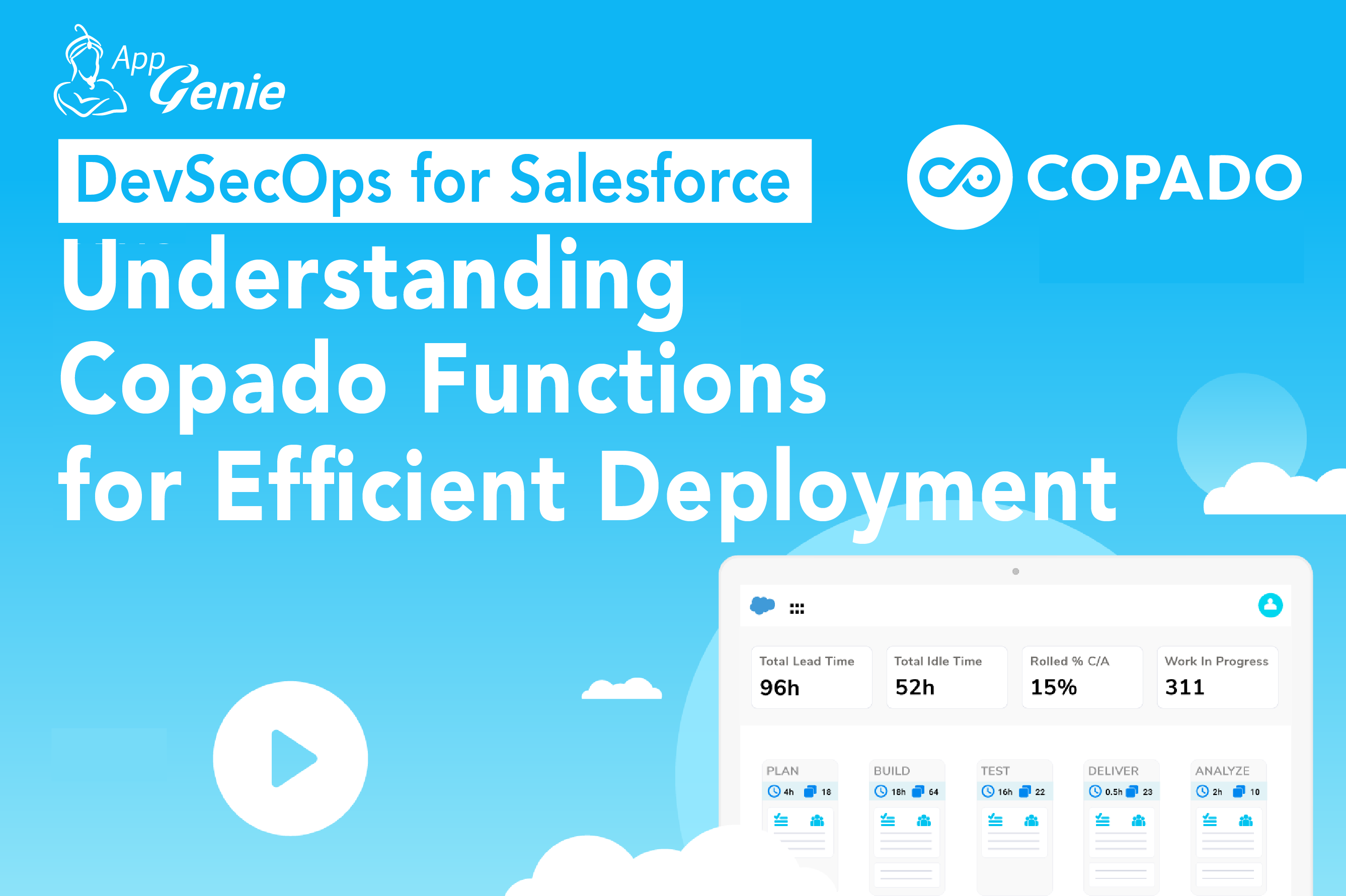
Copado Functions are easy to build and easy to waste. Every execution is a metered container, so the image you pick, the worker you size and the number of times you invoke it are all cost decisions. This is the operating view rather than the build guide.
Merging Salesforce security metadata does not resolve the disagreement between two branches. It just makes the disagreement happen automatically, on the way to production, with nobody watching. Keep an approved Golden Set in its own branch, overwrite the promotion branch before Salesforce sees it, and there is nothing left to merge.
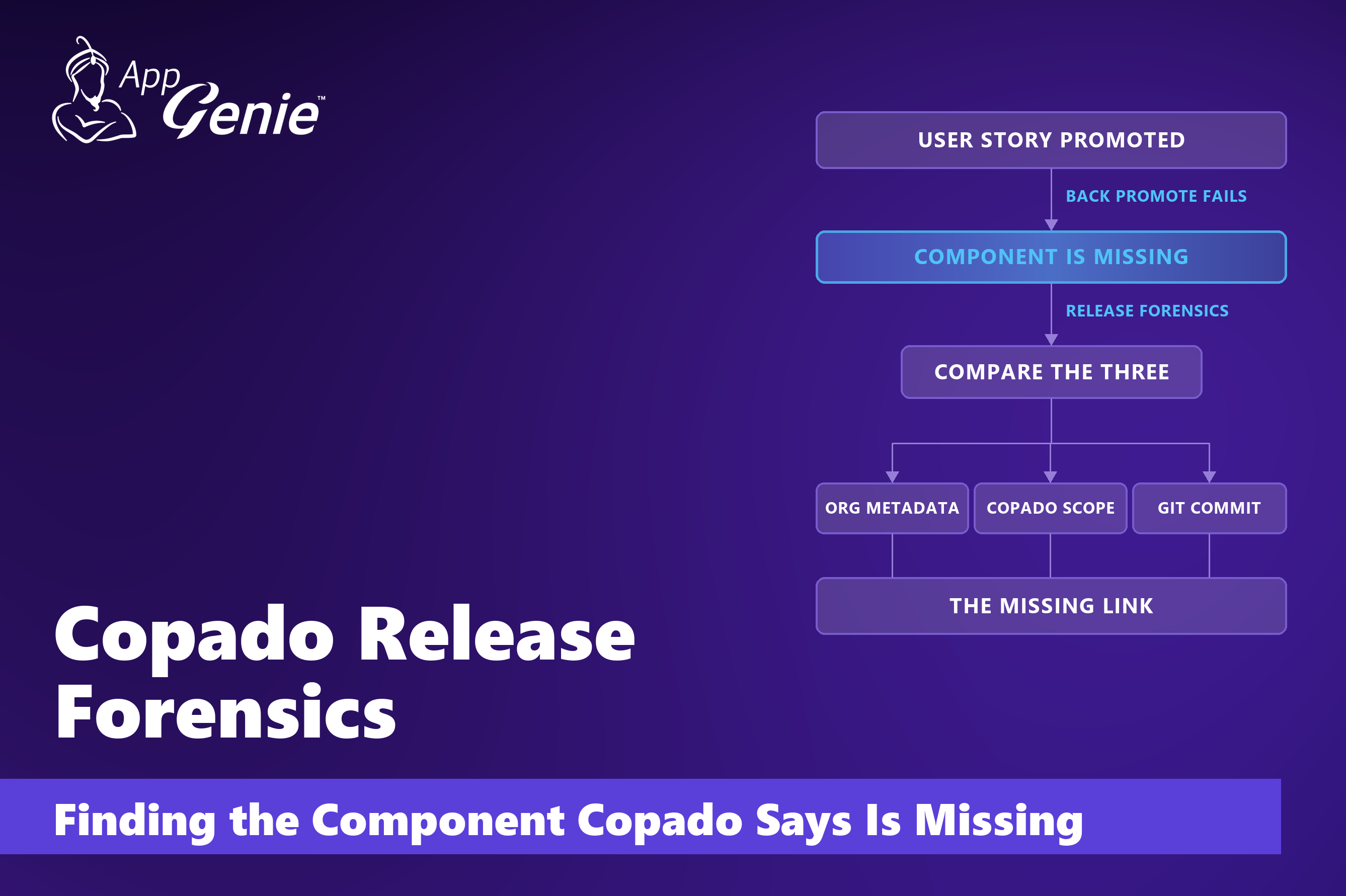
Real Copado release management is chaos with a suit on. Everything looks mostly green until you hit validate, back promote or prod deploy, and then a component is missing: the team swears it was deployed, the pipeline swears it was validated, and you are stuck in the gap between what Salesforce contains and what Copado believes is in scope.
Most Salesforce DevOps implementations scale people badly. Developers commit locally, Copado wants commits, Azure DevOps runs CI, and somewhere in the middle someone invents a hybrid process that duplicates logic, weakens security and makes scaling the team harder instead of easier.
The Christmas season is in full swing and along with Christmas shopping, its now time to refresh your pipeline. As every Release Manager will know - Christmas is the busiest time of the year.
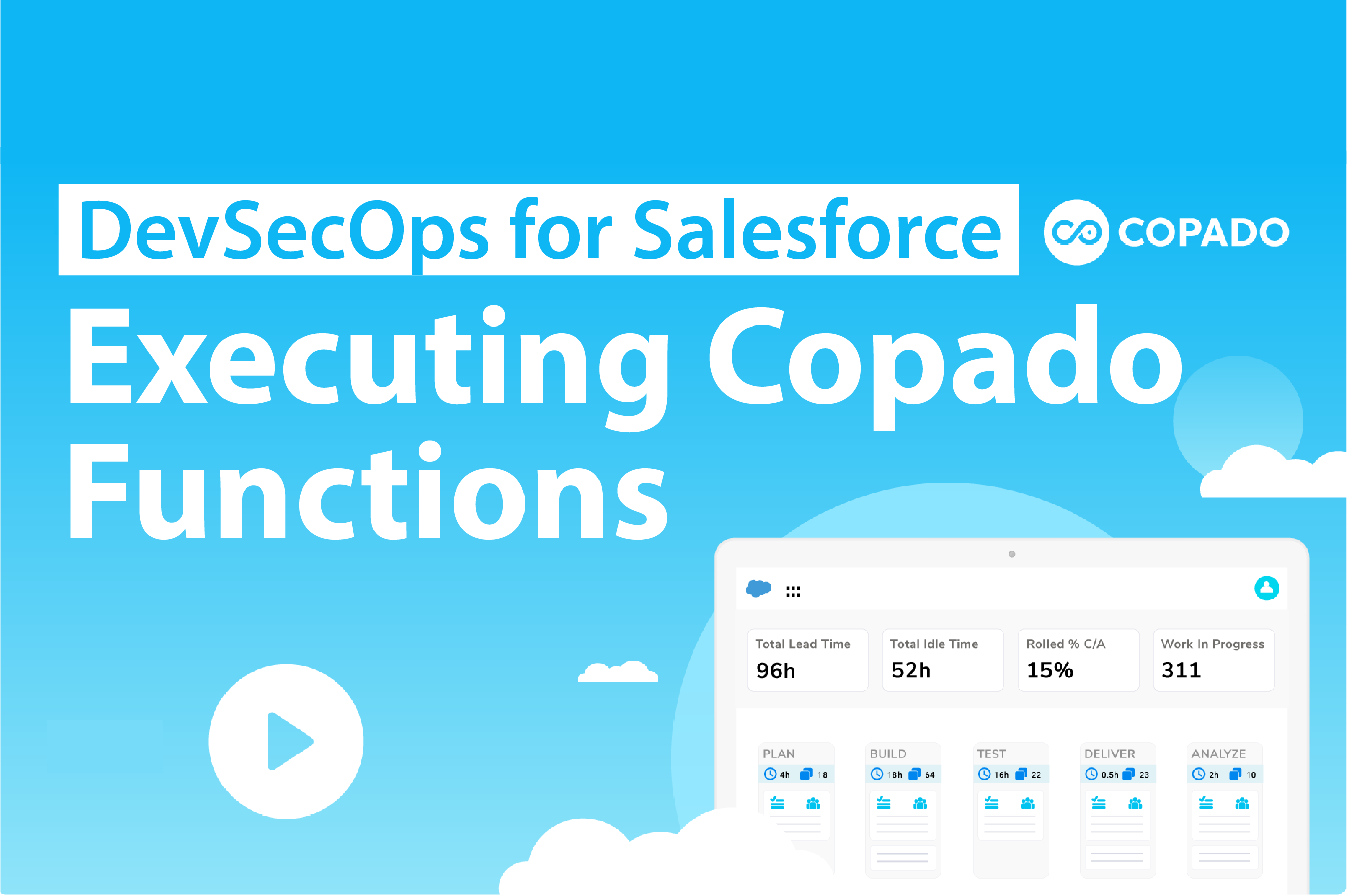
This is the second article on our introduction to Copado functions series. Last article we showed how to build a function, this article is all about making it run.
Copado Functions are the most powerful and least used part of Copado. A step-by-step guide to building one to automate Salesforce DevSecOps release tasks.